
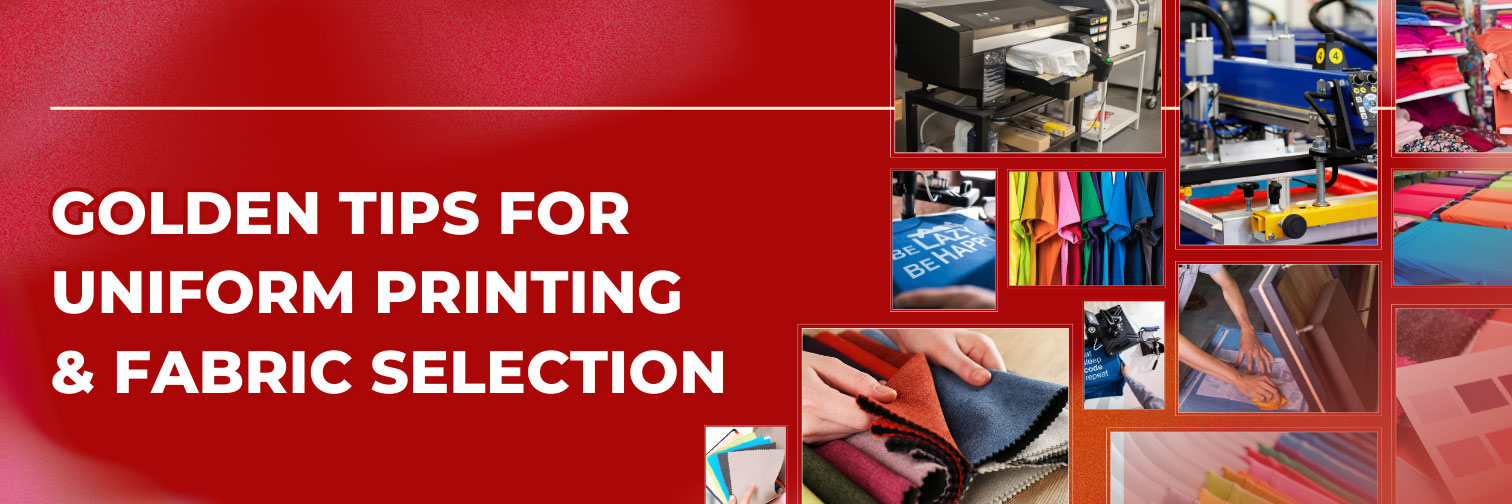
To create a beautiful uniform set that truly reflects the spirit of your business, choosing the right printing method and fabric material is extremely important. Today’s market offers countless options for printing and materials, which requires buyers to have a certain level of knowledge in order to make the right decisions. Don’t worry — Nhat Khoa has compiled everything you need to know through the information below.
1.1. Overview of printing techniques
The uniform industry is constantly evolving, bringing a wide range of printing techniques that meet every customer’s needs. From traditional methods such as screen printing to modern technologies like heat transfer, DTG (Direct to Garment), PET printing, etc., each technique has its own strengths and limitations, making it suitable for different fabric types, designs, and order quantities.
>> You may also be interested in: A Guide to Choosing T-Shirt Printing Techniques for the Right Purpose
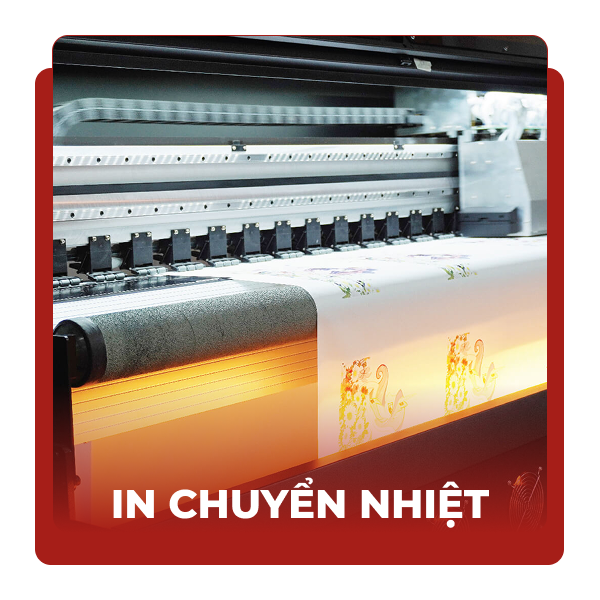
1.2. Detailed analysis of current printing techniques
To better understand the printing methods commonly used in uniforms, below is detailed information about each technique.
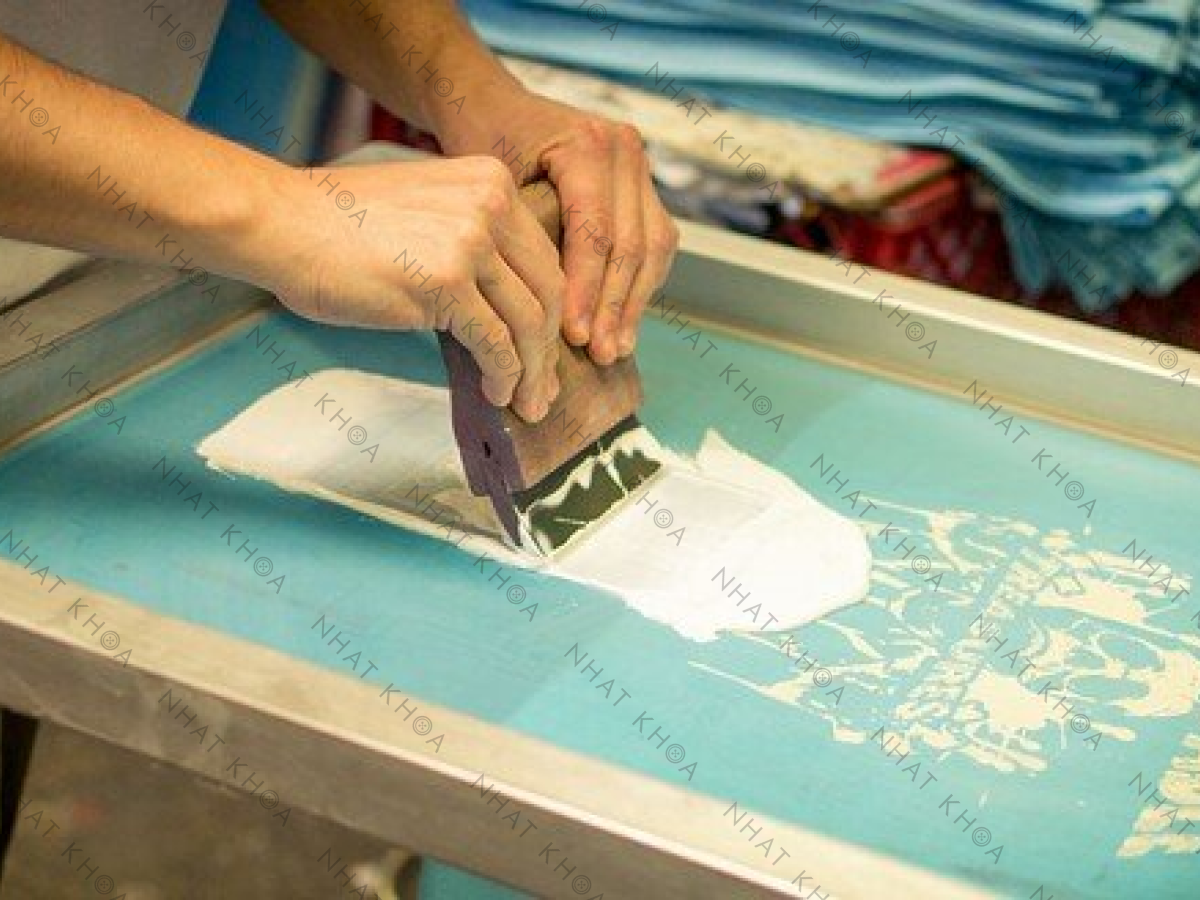
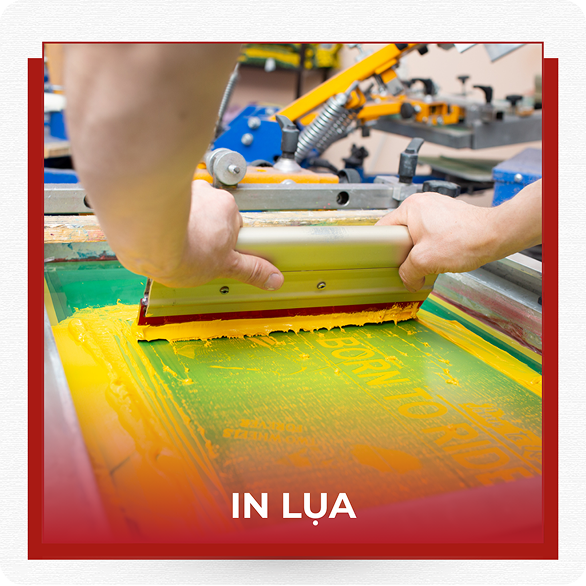
Screen printing is one of the most popular and long-standing printing techniques in the garment industry. The process involves using a printing frame and specialized ink to spread ink onto the fabric, forming images and a solid layer of color.
Advantages:
Limitations:
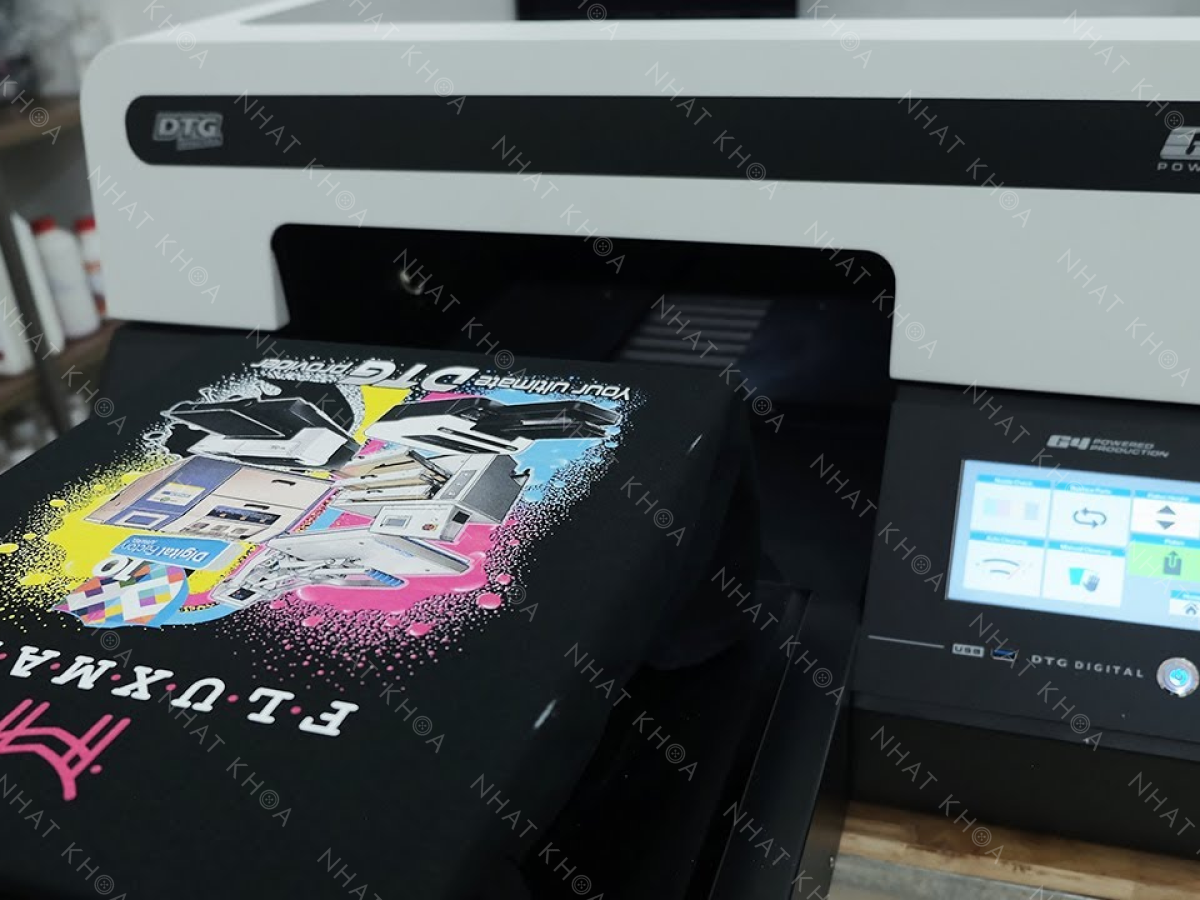
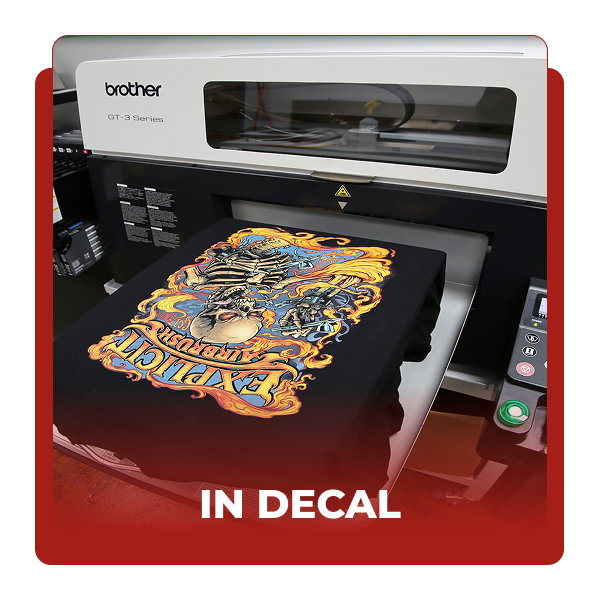
DTG is a technique that prints directly onto fabric using inkjet technology. The ink is absorbed into the fibers, creating sharp images. DTG is suitable for complex designs with multiple colors and has no limit on the number of colors.
Advantages:
Limitations:
Images printed on dark fabrics may cost higher than other methods.
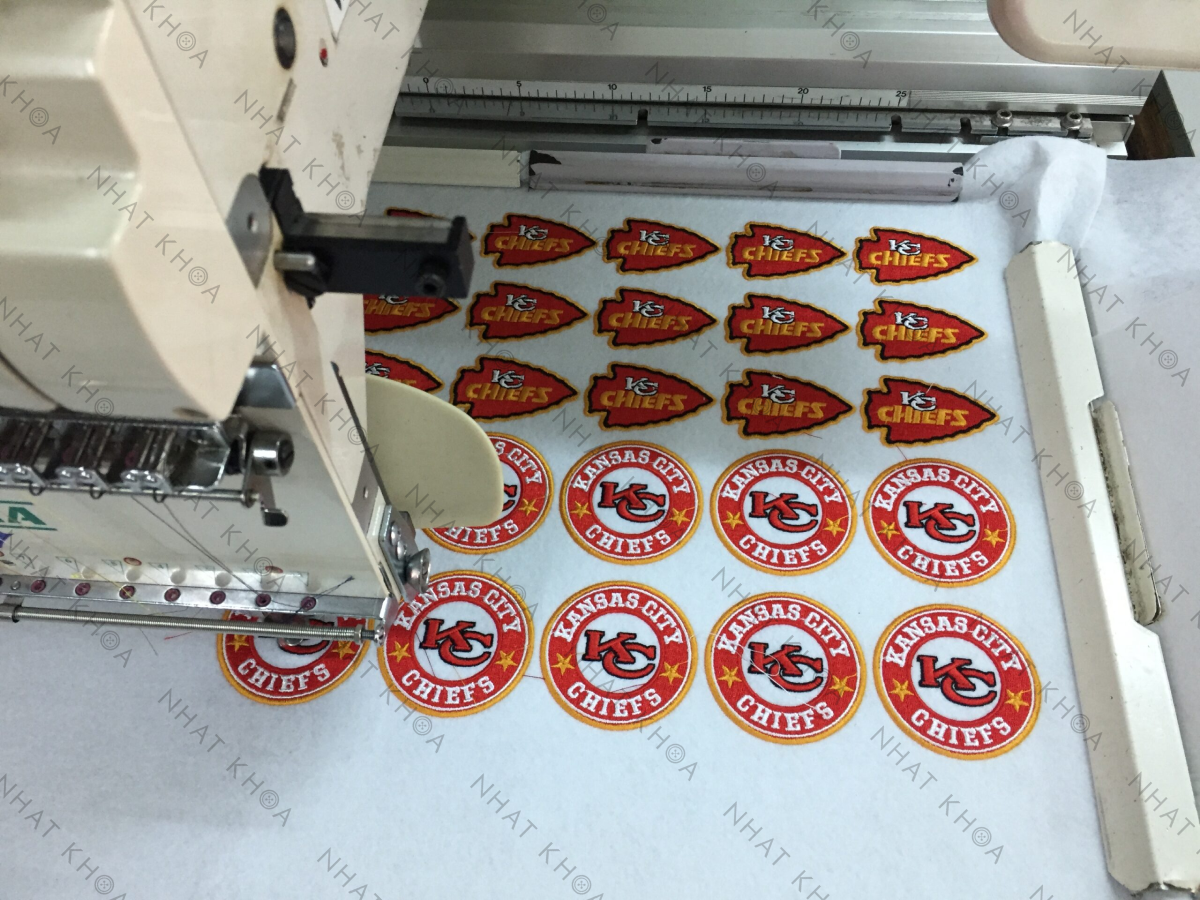
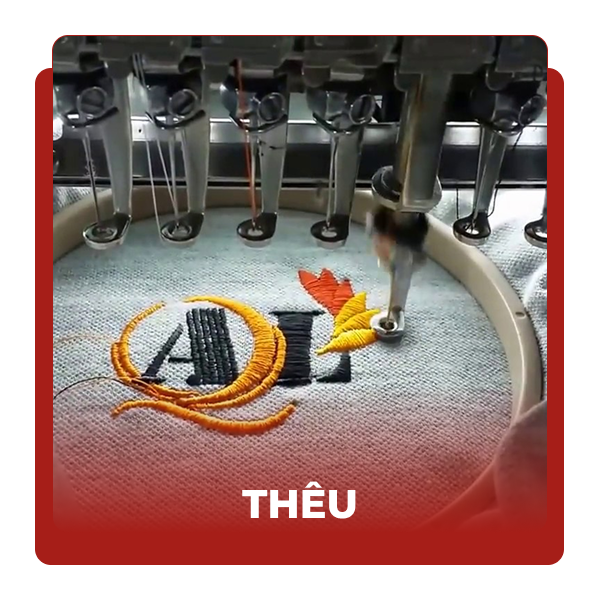
Embroidery is a technique that uses thread to stitch designs directly onto fabric. This is a traditional method, but it delivers a sophisticated and premium appearance.
Advantages:
Limitations:
Heat transfer printing is a technique that uses high temperature to transfer images from specialized transfer paper onto the fabric surface. Under the effect of heat, the image adheres firmly and penetrates the fibers, creating vibrant and sharp colors. This method includes different variations depending on usage needs
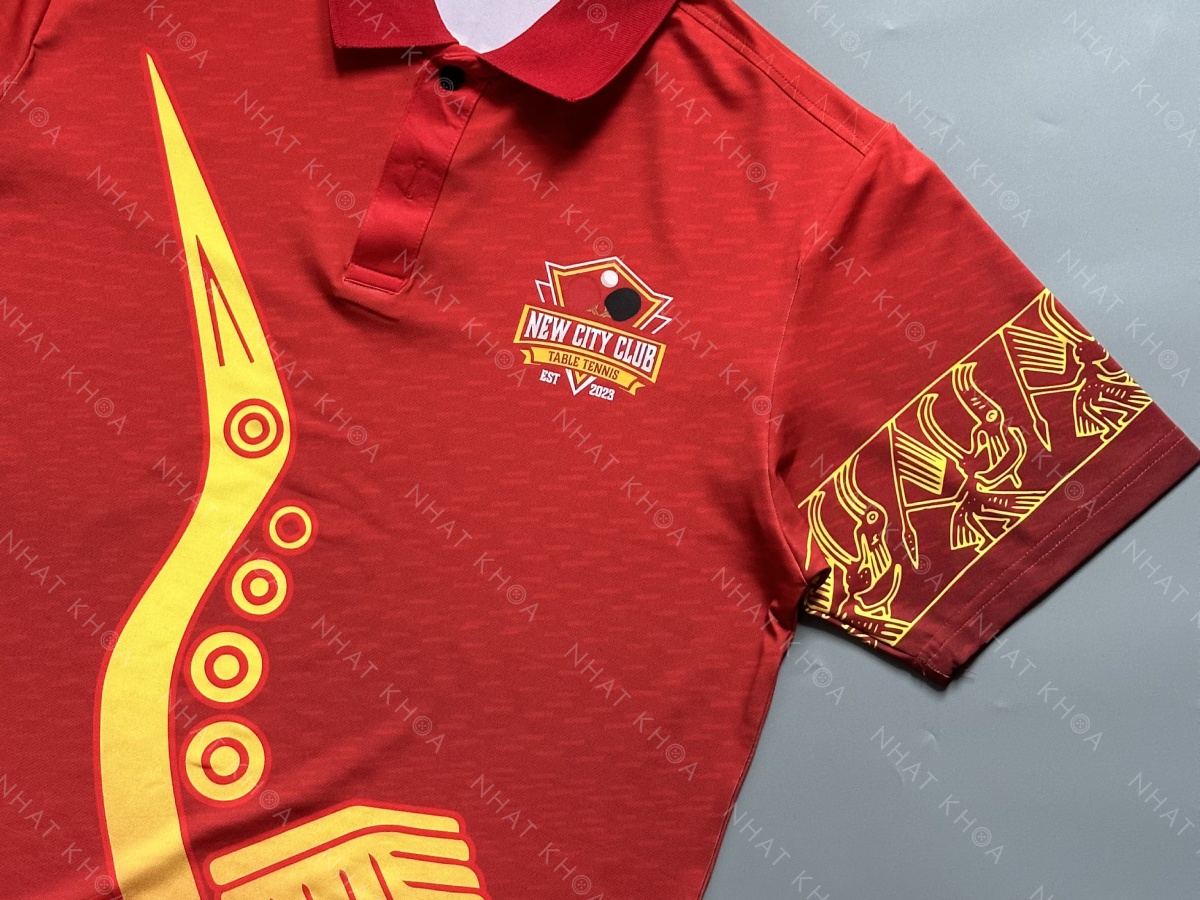
A technique that uses high temperature to transfer ink from paper onto fabric. This method is ideal for full-surface printing on polyester fabrics.
Advantages:
Limitations:
Only applicable on light-colored fabrics.
Details are not as clear compared to other techniques.
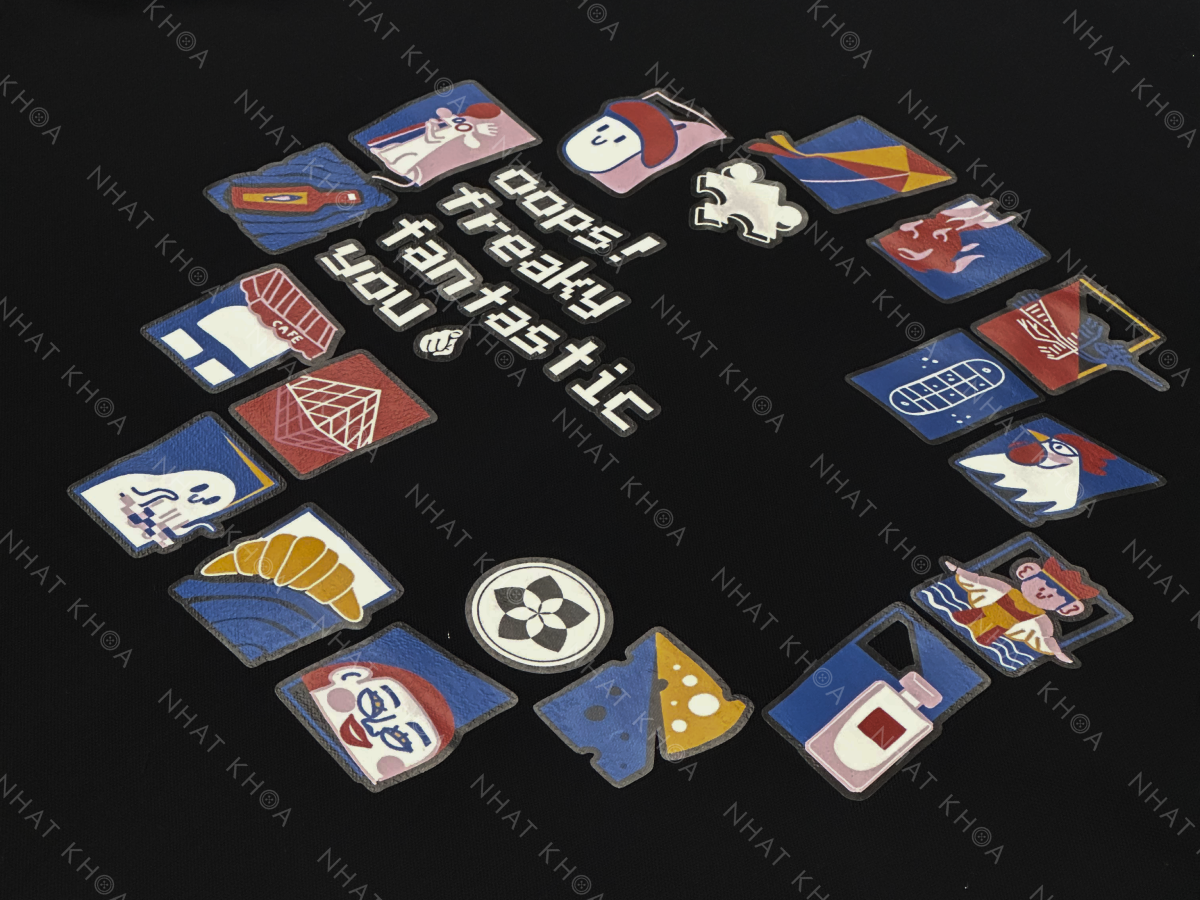
A technique that uses heat to apply decal/vinyl material onto fabric. This is one of the most common methods used in uniform production.
Advantages:
Limitations:
Best suited for small or medium-quantity orders.
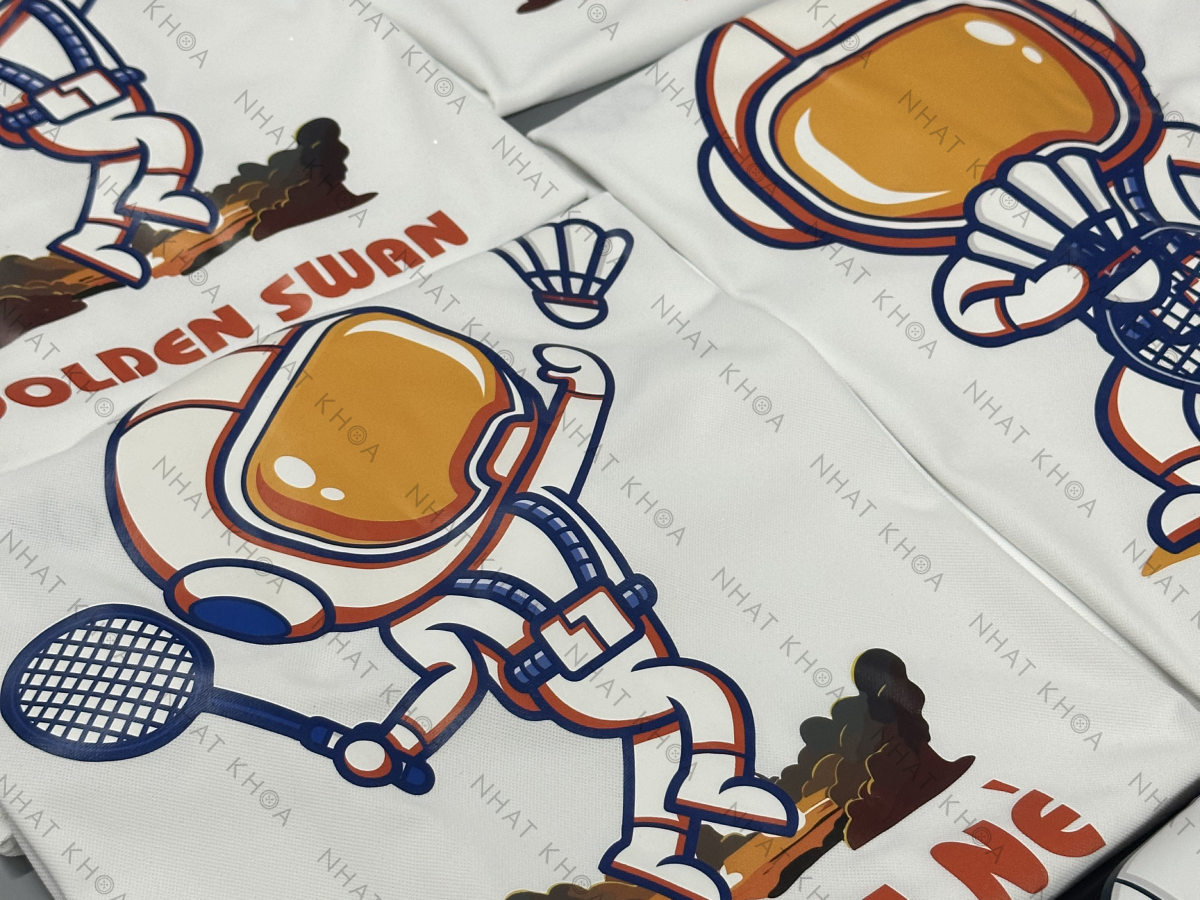
A technique that uses PET film to transfer ink onto fabric. This method works on many different fabric types, including cotton and polyester.
Advantages:
Limitations:
Durability is not as high as other techniques.
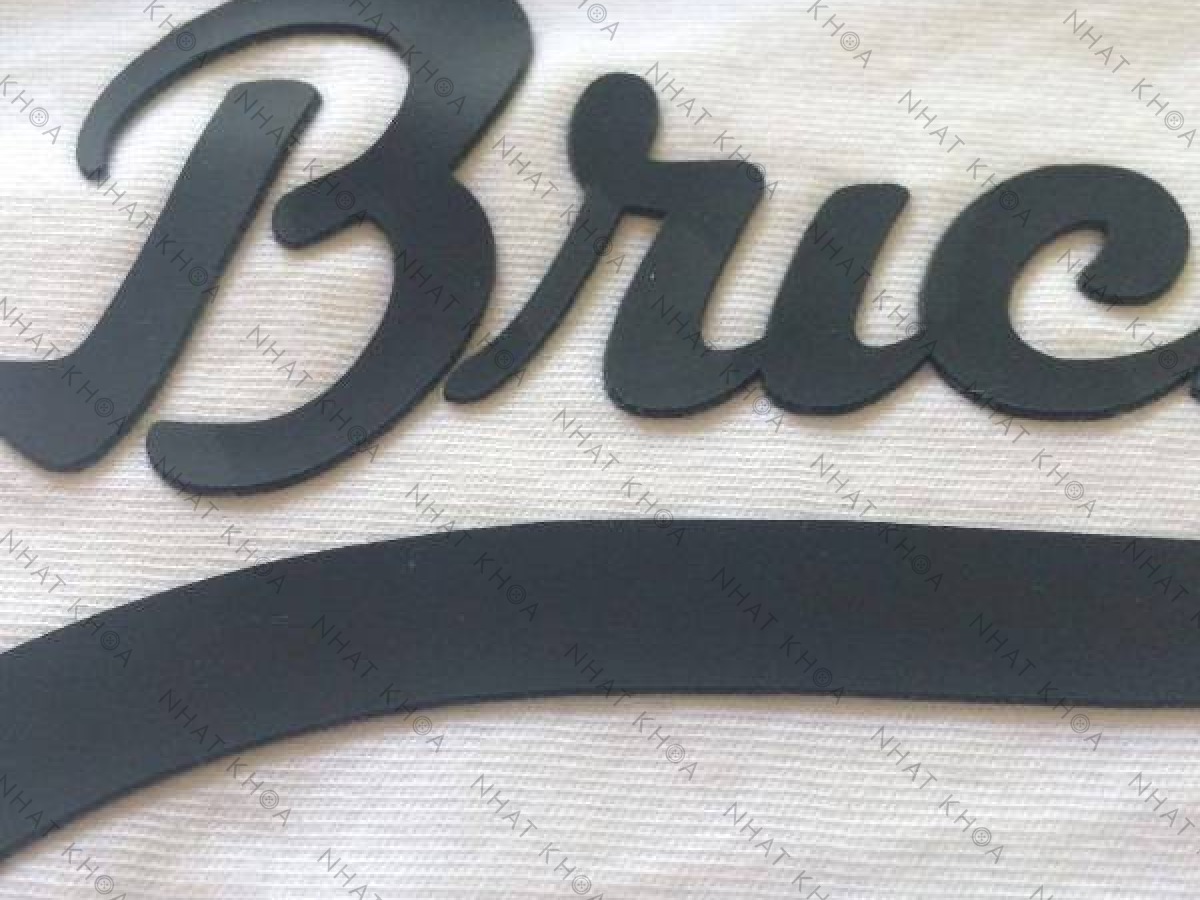
A technique that uses Plastisol ink printed onto a transfer sheet and then transferred onto fabric under heat and pressure. This method is suitable for large-quantity orders.
Advantages:
Limitations:
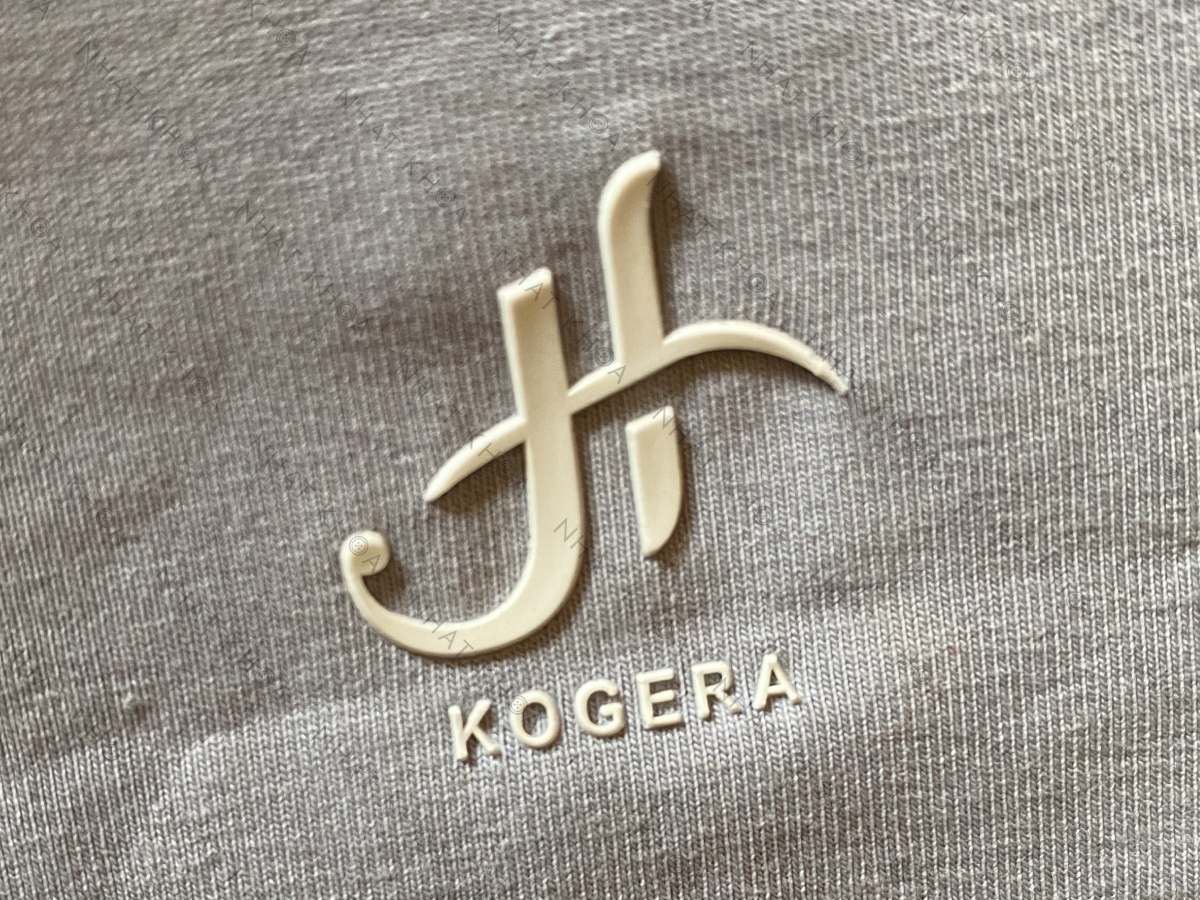
A technique that uses Plastisol ink to create a raised, 3D-like effect on the fabric surface by applying heat and pressure. This method is ideal for creating premium visual highlights.
Advantages:
Limitations:
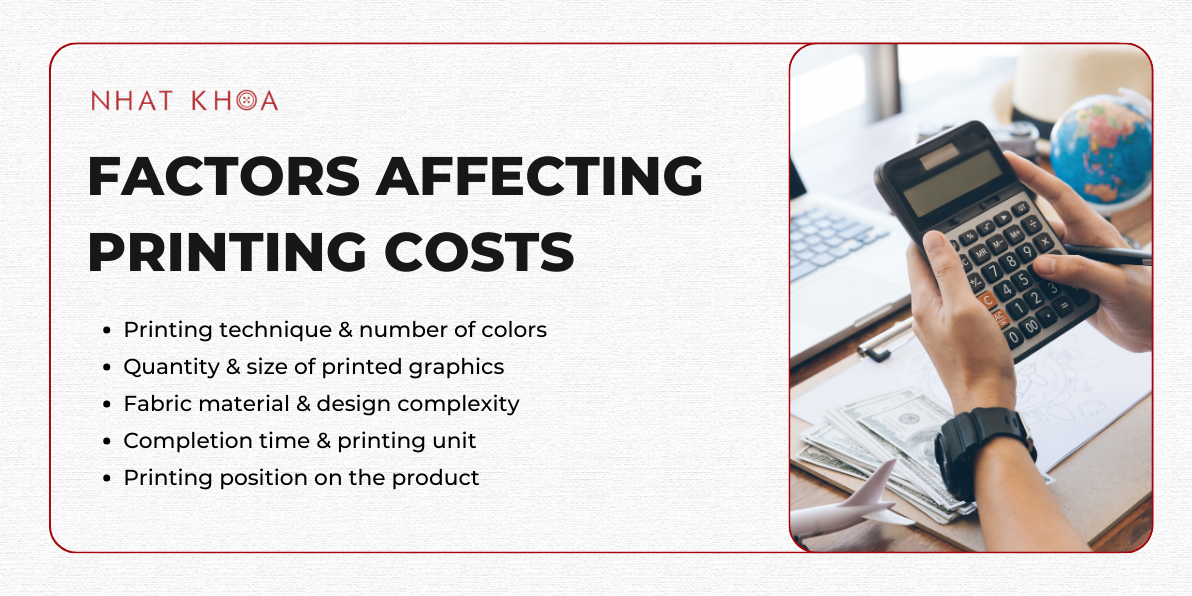
1.3. Factors that affect printing costs
The cost of uniform printing is not fixed but depends on many different factors. Understanding these factors will help you plan your budget and choose the most suitable printing method.
Print placement position:
The price may vary depending on print location.
Special positions such as sleeves, back, or multiple print areas often require more handling steps, which increases production cost.
1.4. Guidelines for choosing the right printing technique
Choosing the right printing technique can be challenging for many people, especially when lacking experience in the printing field. However, by considering a few important factors, you can completely make an accurate and reasonable decision.
DTG printing:
Suitable for complex, artistic designs printed directly on shirts in small quantities and applicable to various fabric types.

1.5. Common Issues Encountered in Uniform Printing
Cause:
Incorrect printing technique, poor-quality adhesive, or improper washing and care methods (washing in hot water, ironing directly on the print, etc.), causing the print to peel or blur.
Cause:
Computer/phone screens display colors differently from reality, design files are not standardized to the correct print color system (usually CMYK), or the supplier uses low-quality ink.
Cause:
Low-resolution design files, inappropriate printing technique (e.g., screen printing used for designs with too many small details), or machine/software errors.
Cause:
Low-resolution design files, inappropriate printing technique (e.g., screen printing used for designs with too many small details), or machine/software errors.
Solution:
Choose a printing method suitable for the fabric, use high-quality ink and materials, and follow proper care instructions (wash gently, avoid hot water, do not iron directly on the print, and dry in a ventilated place)
Solution:
Choose a reputable supplier, convert the design file to CMYK, and perform a color test before mass production to ensure accurate and consistent printed colors.
Solution:
Choose a reputable supplier, convert the design file to CMYK, and perform a color test before mass production to ensure accurate and consistent printed colors.
Solution:
Prepare design files at 300dpi, choose the right printing method for complex images, and ensure printing machines and equipment are modern and well-calibrated.
1.6. Frequently asked questions about printing services
Depending on the quantity of shirts, design, fabric material, and your budget. Screen printing is suitable for large-quantity orders, digital printing is used for complex designs with vibrant colors, while heat-transfer printing is appropriate for moderately complex products, medium-quantity orders, and cases that require fast production.
Decal printing or digital printing is a good choice for small quantities.
The printing time depends on the printing technique, the number of shirts, and the level of design complexity. Screen printing usually takes 3–7 days, while digital printing can be completed faster.
Heat transfer or digital printing are suitable methods for printing 3D effects on T-shirts, creating a vivid and realistic visual result.
To maintain sharp, vibrant prints that don’t peel or crack over time, you should pay close attention to washing and care methods. Ideally, wash the T-shirt by hand or use the gentle cycle on a washing machine, turn the shirt inside out to reduce friction, avoid strong detergents, and do not iron directly on the printed area. When drying, choose a cool, ventilated place and avoid direct sunlight to prevent the colors from fading.
At Nhat Khoa, every product comes with detailed care instructions so customers can easily maintain their uniforms in like-new condition while keeping prints durable and professional over time.
>> See more: Tips for Keeping Printed Logos on Uniforms Durable, Vibrant, and Long-Lasting Over Time
2.1. Overview of Fabric Types Used in Uniform Production
Fabric material is a key factor alongside printing techniques, directly affecting product quality, durability, aesthetics, and wearer comfort. The uniform fabric market is highly diverse, ranging from natural fabrics such as cotton and linen to synthetic fabrics like polyester, nylon, and various blended fabrics.
2.2. Detailed Analysis of Each Fabric
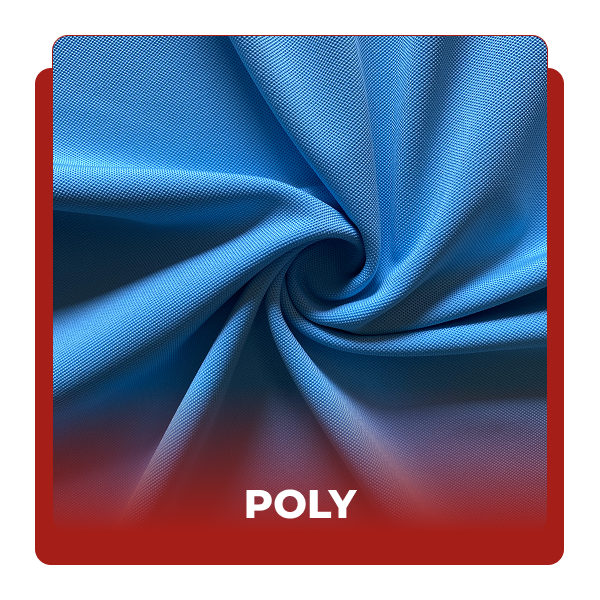
This fabric combines durable polyester with advanced Cooling knitting technology, offering outstanding performance.
Advantages
Disadvantages
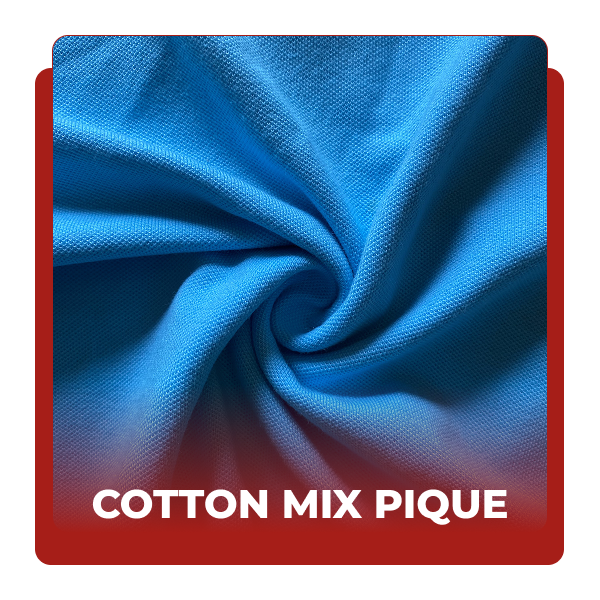
This fabric is a blend of polyester and cotton at a 65/35 ratio, combining the strengths of both materials.
Advantages
Disadvantages
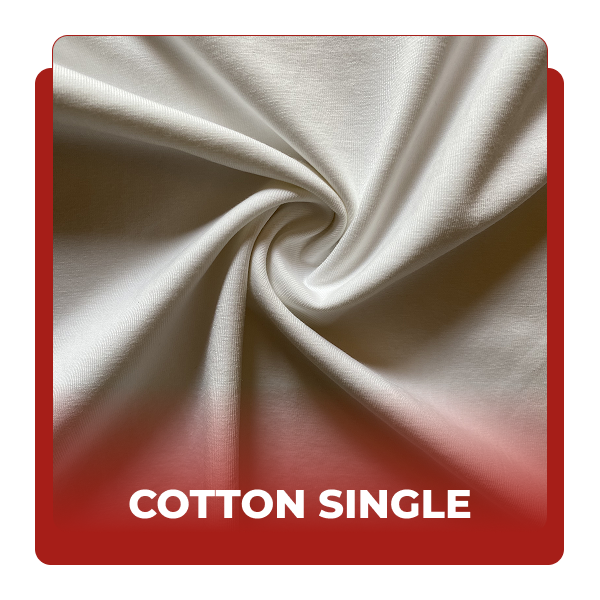
Cotton Single Pique is woven from 100% natural cotton fibers. This classic fabric is favored for its softness, breathability, and skin-friendly properties.
Advantages
Disadvantages
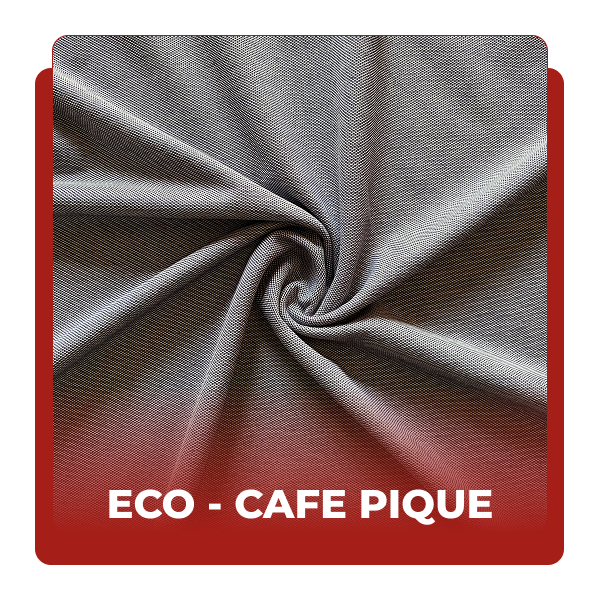
Eco-Cafe fabric is made from coffee grounds and recycled polyester fibers. It is ideal for sustainable fashion products and is highly antibacterial.
Advantages
Disadvantages

Interlock is a knitted fabric with high durability and elasticity, commonly used for sportswear, youth fashion, and casual wear.
Advantages
Disadvantages

Bird Eye Mesh fabric has a special textured structure, highly breathable and elastic, often used for sportswear, gym clothing, and activewear.
Thanks to its high breathability and cooling ability, this fabric is ideal for use in hot environments and is also popular for children’s uniforms.
Advantages
Disadvantages
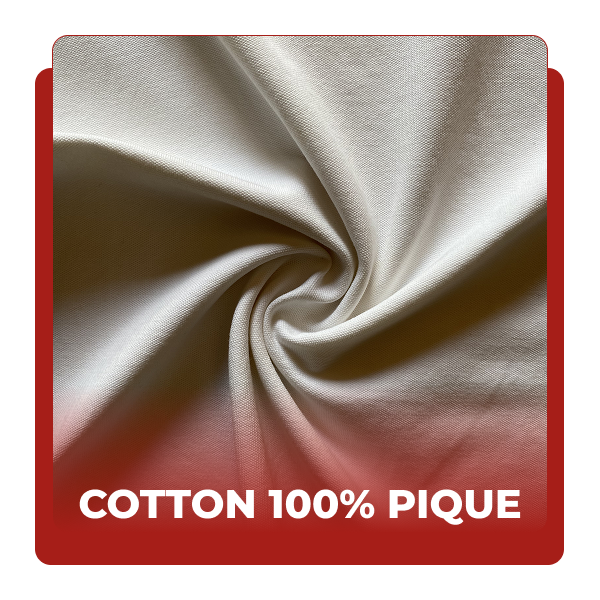
100% Cotton Two-Way Stretch fabric is made from natural cotton fibers, suitable for polo shirts, T-shirts, and everyday wear.
Advantages
Disadvantages
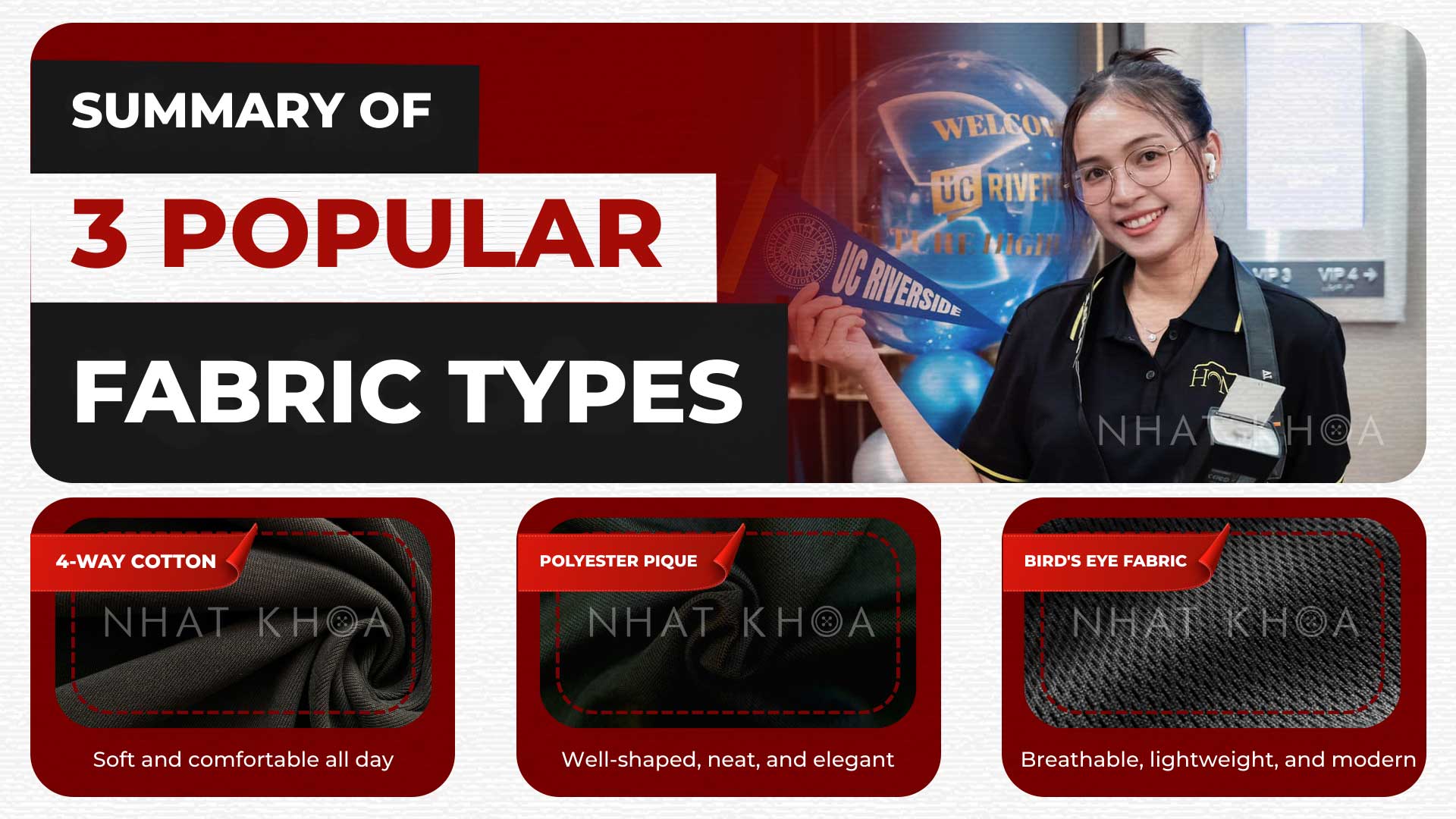
100% Cotton Four-Way Stretch is a premium cotton fabric that stretches comfortably in all directions, offering maximum comfort for the wearer. It is suitable for high-end uniforms, fashion T-shirts, and sportswear.
Advantages
Disadvantages
2.3. Factors Affecting Fabric Costs
The cost of uniform fabric is not fixed and may vary depending on many factors. Understanding these factors will help you estimate your budget more accurately and choose a solution that fits your company’s financial plan.
Fabric Type
Each type of fabric has a different price level depending on the raw materials, production process, and its own technical characteristics. For example, 100% natural cotton fabric is usually more expensive than synthetic polyester fabric, linen is more expensive than kate fabric, and 100% cotton pique fabric is always priced higher than blended pique fabric. Choosing the right fabric type will directly affect the overall uniform cost.
>> See also: Understanding Uniform Fabrics: The Key to Choosing Based on Fabric Characteristics
Fabric Quality
Even within the same fabric type, different quality levels will create price differences. Premium fabrics are often woven from long fibers, providing a smoother surface, higher durability, and better finishing quality, along with enhanced features such as wrinkle resistance, shrink resistance, and colorfast performance. These factors will increase production cost and final fabric price.
Order Quantity
Order quantity is an important factor that directly affects pricing. The general principle is: the larger the order, the lower the unit cost. When customers place uniform orders in large quantities, Nhất Khoa always offers attractive discount policies, helping businesses significantly save on expenses.
2.4. Guide to Choosing the Right Fabric Material
Choosing the right fabric material should not be based only on personal preference — it is also influenced by factors such as intended use, working environment, job characteristics, budget, and technical requirements. Below are some helpful suggestions to help you make accurate decisions:
Purpose of Use
Depending on the type of uniform and its purpose of use, you should choose the appropriate fabric. For company uniforms, it is recommended to prioritize fabrics with high durability, wrinkle resistance, and a neat, elegant appearance, such as Kate, Kaki, or 2-way cotton. For sports uniforms, fabrics that have good sweat absorption, good elasticity, and quick-drying capability, such as honeycomb cotton, polyester, or bird-eye mesh fabric will be the most suitable choice.
Meanwhile, protective work uniforms require fabrics with high durability, good absorbency, and resistance to heat, fire, or chemicals, depending on the nature of the job. For student uniforms, it is advisable to choose fabrics that are soft, skin-friendly, safe to wear, and capable of absorbing sweat well such as cotton or honeycomb cotton.
Working Environment
The working environment also has a significant influence on fabric selection. In office environments, you can choose fabrics that are soft, wrinkle-resistant, and tidy such as Kate or 2-way cotton. On the other hand, if you frequently work outdoors, you should prioritize fabrics that are cool, breathable, have good sweat absorption, and dry quickly such as honeycomb cotton, polyester, eco-cafe fabric, or bird-eye mesh fabric.
Nature of Work
The nature of the job is also an important factor to consider. Jobs that require frequent movement should use fabrics that have elasticity, good sweat absorption, and do not cause discomfort when moving, such as honeycomb cotton or 4-way stretch cotton. Conversely, jobs that require neatness and formality should use fabrics that hold their shape well, resist wrinkles, such as Kate, Kaki, or 2-way cotton.
Budget
The budget also plays a crucial role in fabric selection. If the budget is limited, you can choose affordable fabric types such as polyester pique or bird-eye mesh fabric. In cases where the budget is more generous, investing in higher-end fabrics such as 2-way cotton, 4-way cotton, or eco-cafe fabric will significantly improve the overall product quality.
Technical requirements
Printing techniques have a direct impact on fabric selection. If heat transfer printing is used, the fabric needs to have a high polyester content (from 65% or more), such as polyester pique. For screen printing, most fabric types are suitable, but the best results are achieved when printing on cotton.
Digital printing (DTG) is flexible with many types of fabrics. Meanwhile, embroidery is best suited for thick and firm fabrics such as cotton pique, polyester pique, Kate, or Kaki. Avoid embroidering on fabrics that are too thin or highly stretchable, as this can cause stitch distortion or fabric wrinkling.
2.5. Common Issues When Choosing Fabrics
Cause
Poor fiber quality, improper weaving techniques, or friction during wear and washing.
Cause
Poor-quality dye, fabric not being properly color-fixed, or washing at high temperatures, using strong detergents, or drying directly under sunlight.
Cause
Due to the natural structure of the fabric fibers (especially cotton fibers), or washing and drying at high temperatures.
Cause
Due to chemical components in fabric dyes, finishing agents, or because the fabric fibers are too rough.
Solution
Choose fabrics that are resistant to pilling with a tightly woven structure. Wash garments by hand or on a gentle machine cycle, turn them inside out before washing, avoid using hard brushes, and dry them in a cool, ventilated place.
Solution
Choose fabrics with high colorfastness that are dyed with high-quality dyes.
Wash garments with cold or lukewarm water (below 40°C), avoid strong detergents, turn the garment inside out when drying, and dry it in a cool, ventilated place away from direct sunlight.
Solution
Choose fabrics that have been pre-shrunk or those with low shrinkage. Wash the garment with cold water, avoid high-heat drying, and lay the garment flat when drying to prevent stretching.
Solution
Prioritize natural fabrics or fabrics that are certified as safe for the skin. Wash the garment before wearing it for the first time to remove dust and residual chemicals from the production process.
If your skin is highly sensitive, try washing the garment with mild detergents that are fragrance-free and do not contain color additives.
2.6. Frequently Asked Questions About Fabrics
Cotton fabric is a natural fabric made from cotton plant fibers. It is one of the most common fabrics in the garment industry thanks to its softness, breathability, good moisture absorption, and skin-friendly safety.
>> You may also be interested in: How Much Does Cotton Fabric Cost? Key Factors & Optimization Tips
Polyester fiber fabric belongs to the synthetic fabric group and is made from man-made polyester fibers derived from petroleum. Polyester stands out thanks to its high durability, low wrinkling, minimal shrinkage, and affordable cost.
In particular, recycled polyester — such as coffee-yarn fabric — not only retains these advantages but is also environmentally friendly, helping to make use of recycled materials and reduce textile waste.
>> You may also be interested in: Is Polyester Stretchy? Key Characteristics of Polyester Fabric
Synthetic fiber fabrics belong to a large group that includes many different fabric types, created from man-made fibers (not derived from natural sources) through chemical processes. Polyester, nylon, acrylic, spandex… are all considered synthetic fabrics.
>> You may also be interested in: Spandex-Blended Polyester Fabric: Key Features, Applications & Pros-Cons to Know
There are many types of fabrics used in the garment industry, but the most popular ones include:
Áo dài is the traditional dress of Vietnam. It is usually made from fabrics that are soft, flowing, and elegant, helping to enhance the graceful and feminine beauty of women. Some of the most popular fabrics used for making áo dài include:
Blended silk fabrics (Japanese silk, Korean silk, etc.): These are synthetic-blend fabrics that still retain softness, drape, and shine similar to real silk, but come at a more affordable price.
>> See more:
We hope this article has provided useful information to help you easily choose the right printing technique and fabric material. If you need further consultation, Nhat Khoa is always ready to support and accompany you in every decision to bring you the highest-quality uniform products.